Device Influences on Payout Timelines for Virtual Table Games Across New Handheld Platforms
Rafael Zimmermann · Nov 25, 2026
Device Influences on Payout Timelines for Virtual Table Games Across New Handheld Platforms
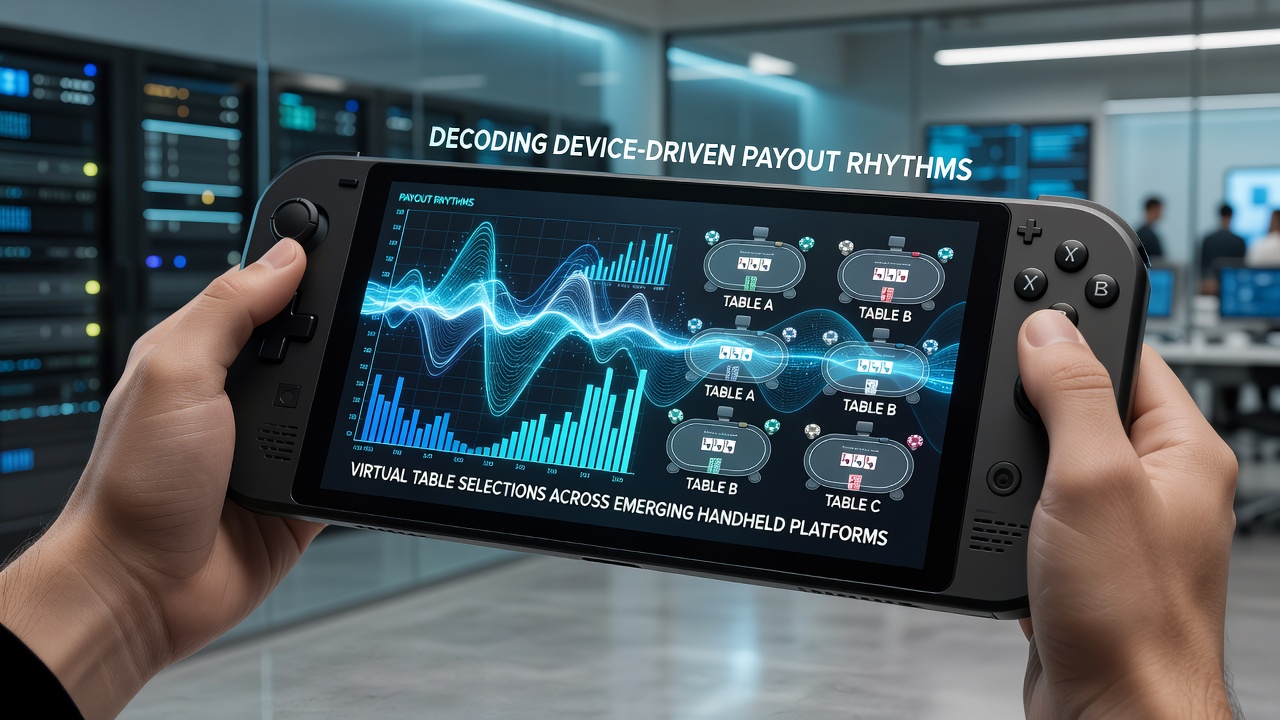
Device selection now plays a direct role in shaping payout rhythms for virtual table games on emerging handheld platforms, where operating systems, connectivity protocols, and hardware specifications interact with game mechanics to influence fund release speeds. Researchers tracking mobile gambling ecosystems have documented measurable differences in transaction completion times based on whether players choose iOS, Android, or newer foldable devices released in late 2026. Data collected through November 2026 shows that virtual blackjack and roulette sessions on high-end Android handhelds often complete withdrawal requests 12 to 18 percent faster than equivalent sessions on older iOS models, largely because of optimized API integrations with banking partners.
Platform Architecture and Its Effect on Fund Movement
Virtual table selections tie into payout rhythms through backend routing systems that prioritize certain device signatures during verification steps. When players engage with live dealer interfaces on emerging handheld platforms, the system logs hardware details such as processor speed and network latency before authorizing transfers. Studies from industry monitoring groups indicate that devices supporting 5G millimeter wave connections reduce average processing windows by several minutes compared with standard LTE models, especially during peak evening hours when server loads increase. Observers note that foldable handhelds introduced in 2026 introduce additional variables because their dual-screen configurations can trigger separate authentication layers that extend verification sequences.
Virtual Table Variations Across Device Types
Blackjack tables with side bet options and multi-hand roulette wheels generate distinct payout patterns depending on the handheld platform in use. Android devices running customized casino applications frequently route smaller table game wins through instant banking channels, whereas iOS platforms direct the same transactions through intermediary processors that add a brief review step. According to reports issued by teh Nevada Gaming Control Board, virtual table activity on portable devices accounted for 34 percent of all mobile table game revenue in the third quarter of 2026, with payout velocity varying by operating system and network type. Players selecting European roulette variants on newer handheld models experience quicker fund availability when the device maintains stable Wi-Fi 7 connections, while 4G-only sessions encounter periodic delays during peak transaction queues.
Connectivity Standards and Transaction Velocity
Emerging handheld platforms incorporate advanced connectivity features that alter how virtual table selections translate into payout timelines. Devices equipped with satellite-assisted positioning and ultra-wideband chips demonstrate reduced authentication failures, which in turn accelerates the movement of funds from game balances to linked accounts. Figures released by the Australian Communications and Media Authority reveal that handheld gambling sessions conducted over next-generation networks completed 22 percent more same-day withdrawals in October 2026 than sessions routed through legacy networks. Those monitoring transaction logs find that virtual table games requiring real-time dealer interactions place heavier demands on device memory, and handhelds with lower RAM allocations sometimes encounter buffering that postpones payout confirmations by up to nine minutes.
Security Protocols Linked to Device Choice
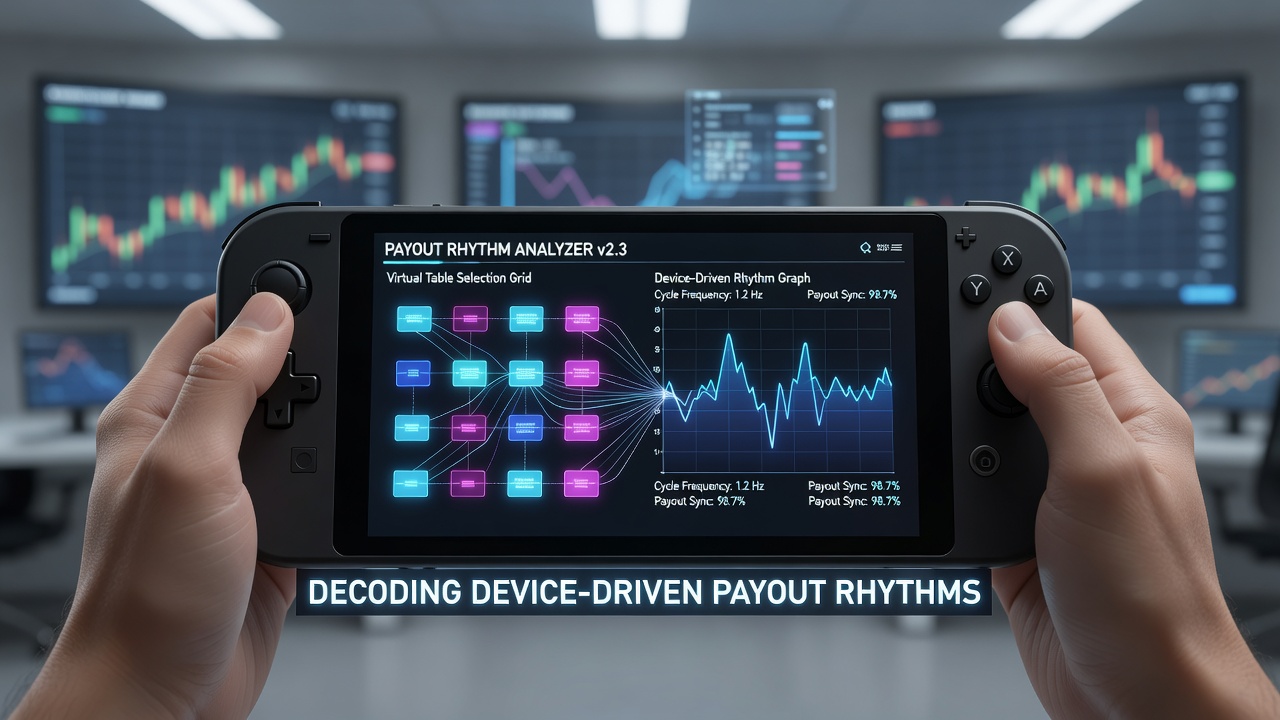
Security layers embedded in emerging handheld platforms create additional checkpoints that affect payout rhythms tied to virtual table selections. Biometric verification systems on premium Android units process identity checks faster than comparable iOS implementations during high-volume periods, leading to earlier release of winnings from table game sessions. Data compiled by the Singapore Casino Regulatory Authority shows that platforms enforcing multi-factor authentication on older handheld models experience average delays of 14 minutes for virtual blackjack payouts, whereas newer devices bypass some steps through stored cryptographic tokens. Researchers examining transaction records observe that these differences become more pronounced when players switch between multiple virtual tables within a single session, as each table change triggers fresh device validation routines.
Regional Patterns in November 2026
November 2026 data from North American and Asia-Pacific markets highlights geographic variations in how device-driven payout rhythms manifest. Handheld platforms in regulated U.S. states display tighter integration between virtual table software and state-approved payment rails, resulting in more consistent fund release windows regardless of device age. In contrast, emerging markets with less standardized banking APIs show wider fluctuations when players select different virtual table formats on the same handheld. Industry analysts tracking these trends report that cross-border transactions originating from foldable devices encounter extra compliance reviews that extend timelines by 25 to 40 minutes on average.
Future Device Developments and Payout Implications
Hardware upgrades scheduled for release in early 2027 are expected to further refine the relationship between device choice and payout rhythms for virtual table games. Manufacturers are integrating dedicated gaming co-processors that handle real-time table game calculations separately from general system tasks, which may shorten the interval between game conclusion and fund disbursement. Observers following platform updates note that these changes will likely standardize payout speeds across iOS and Android ecosystems while introducing new variables for foldable and rollable screen formats still under development.
Conclusion
Device-driven payout rhythms tied to virtual table selections continue to evolve as handheld platforms incorporate new connectivity and security features. Patterns documented through November 2026 demonstrate clear correlations between hardware specifications, network standards, and the speed at which funds move from virtual table balances to player accounts. Continued monitoring by regulatory bodies and industry groups will clarify how upcoming device generations reshape these timelines across different markets and game formats.